 Translate
FSBO Disclosure Education Center™
Understand what sellers commonly disclose, how documentation supports transparency, and how proper preparation can help reduce risk throughout the selling process.
Good Documentation Creates Better Transactions
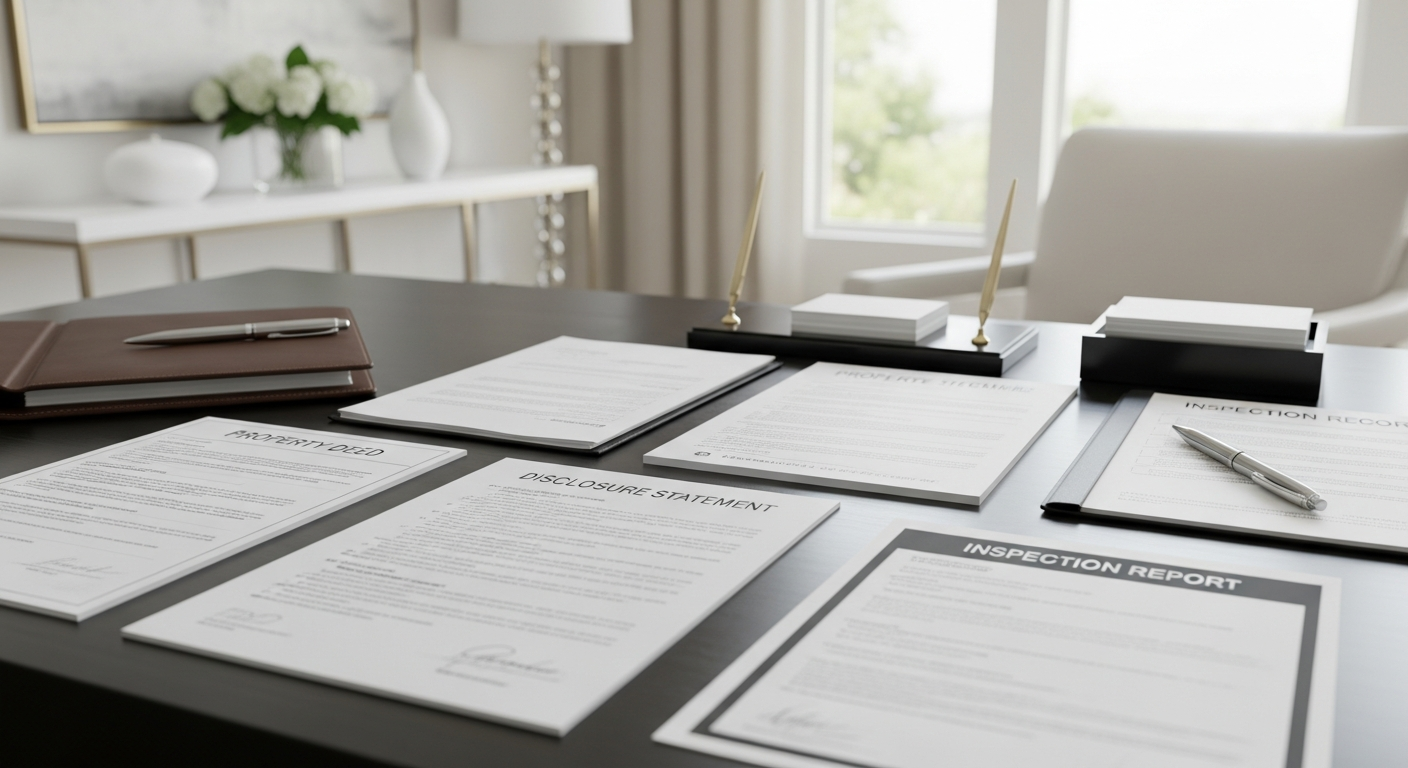
Transparency is the foundation of a successful real estate transaction. Providing thorough, accurate disclosures and well-organized documentation builds buyer confidence, improves transaction efficiency, and significantly reduces post-closing risks and liabilities.
Common Disclosure Categories
While requirements vary by state, these are the most frequently disclosed aspects of a property's condition and history.
The FSBO Disclosure Framework™
A structured, 5-step process to ensure thorough documentation and transparent communication.
Gather Records
Collect all property-related documents, receipts, and reports.
Review Property History
Assess past repairs, insurance claims, and modifications.
Organize Documentation
Create a structured file for easy access and sharing.
Disclose Known Information
Complete required forms accurately and transparently.
Retain Transaction Records
Keep copies of all disclosures and transaction documents post-closing.
Document Organizer
Gather and organize these key documents into a centralized file before listing your property.
Common Mistakes
Avoid these frequent errors that can complicate your transaction or increase liability.
Waiting Too Long
Delaying disclosure preparation can cause closing delays or lost buyer confidence.
Missing Documentation
Failing to provide permits or warranties for major repairs.
Poor Record Keeping
Disorganized files make it difficult to answer buyer questions accurately.
Incomplete Information
Leaving sections blank or providing vague answers on disclosure forms.
Assumptions Instead Of Facts
Guessing about property conditions rather than stating 'unknown' when unsure.
Failure To Update Information
Not revising disclosures if new issues arise during the listing period.
Disorganized Records
Handing over a messy stack of papers rather than a structured disclosure package.
Ignoring Buyer Questions
Failing to respond promptly to inquiries regarding property conditions.
Disclosure Timeline
When to gather, present, and retain critical property information.
Before Listing
Gather records, review property history, and complete state-required disclosure forms.
During Transaction
Provide disclosures upon offer acceptance, answer buyer questions, and provide access to permits/warranties during inspection.
After Closing
Retain copies of all signed disclosures, inspection reports, and transaction records for your files.
FSBO Disclosure Checklist™
Download our comprehensive checklist to help you organize documentation, review property history, and prepare for a transparent, well-documented sale.
Enter your details to download the checklist:
Disclosure Definitions
Seller Disclosure
A legal document provided by the seller detailing known issues, defects, or history of the property.
Material Fact
Information that is significant enough to influence a reasonable buyer's decision to purchase or the price they offer.
Property History
A record of past repairs, renovations, insurance claims, and maintenance performed on the home.
Inspection Report
A professional assessment of a property's condition, often detailing necessary repairs or safety concerns.
Permit
Official approval from local government confirming that construction or renovation work meets building codes.
Warranty
A guarantee from a manufacturer or contractor regarding the reliability of a product or service, often transferable to a new owner.
HOA Document
Rules, bylaws, and financial records of a Homeowners Association that govern the community.
Records Retention
The practice of securely storing transaction documents for a specified period after closing for legal and tax purposes.
The Lockhart Method™: Documentation Framework
Diagnose • Document • Organize • Communicate • Verify • Close
Proper documentation is a core component of The Lockhart Method™. By diagnosing potential issues early, organizing facts clearly, and communicating transparently, homeowners reduce uncertainty, build buyer trust, and improve the overall quality and speed of the transaction.
Recommended Professional Support
Frequently Asked Questions
Common questions about seller disclosures and property documentation.

Reviewed & Updated By
Steve Lockhart
REALTOR® | AI Certified Agent™ | Creator of The Lockhart Method™ | Educational Resource Publisher
Last Updated: June 2026
